Academic knowledge alone is no longer sufficient to prepare children for the demands of modern life. Schools that combine academics with arts, sports, and life skills tend to produce students who are more adaptable, confident, and capable. This broader approach to education is often described as holistic development, where intellectual, emotional, and physical growth are nurtured together.
Arts and sports play a central role in this process.
Why Holistic Development Matters
Holistic education goes beyond textbook learning. It develops a range of abilities that students rely on throughout life.
Children benefit in several key areas:
- Cognitive development: Activities that require creativity and problem-solving strengthen memory, analytical thinking, and intellectual curiosity.
- Emotional development: Students learn to understand and manage emotions, cope with setbacks, and build confidence.
- Social development: Group activities encourage communication, collaboration, and leadership.
When schools incorporate arts and sports alongside academics, students develop both intellectual ability and personal resilience.
The Role of the Arts in Child Development
Arts education includes activities such as music, painting, drama, and dance. These experiences support several aspects of learning and personal growth.
- Creativity and innovation: Art encourages students to think independently and experiment with ideas. This mindset is valuable in fields such as technology, research, and entrepreneurship.
- Emotional expression: Creative activities give children a way to express thoughts and emotions that may be difficult to communicate in words. This can strengthen confidence and emotional stability.
- Cognitive benefits: Research consistently shows that engagement with the arts improves concentration, memory, and pattern recognition, which can positively influence academic performance.
- Cultural awareness: Exposure to artistic traditions helps students understand different cultures and perspectives. This promotes empathy and social awareness.
The Role of Sports in Child Development
Sports and physical activity are equally important in shaping well-rounded individuals.
- Teamwork and cooperation: Team sports require players to communicate, coordinate strategies, and support one another. These are essential skills in both academic and professional settings.
- Discipline and perseverance: Training and competition teach students to practice regularly, accept setbacks, and continue improving.
- Physical and mental health: Regular physical activity improves cardiovascular health, coordination, and overall fitness. It also reduces stress and improves concentration.
- Leadership and decision making: Sports often require quick thinking, strategy, and leadership. Students learn how to take initiative and make decisions under pressure.
Integrating Arts and Sports with Modern Teaching
Schools increasingly combine academic learning with creative and physical activities through structured programs.
Project-based learning allows students to apply creative thinking and problem-solving to real-world challenges.
Collaborative learning encourages teamwork, whether in classrooms, art projects, or sports teams.
Technology-enhanced learning introduces students to digital art, media production, and data-driven sports training.
This integrated approach helps students develop intellectual ability alongside creativity, emotional maturity, and physical fitness.
Daffodil School: Supporting Holistic Development in Kathmandu
At Daffodil School in Kathmandu, holistic development is an important part of the learning environment. The school combines strong academics with structured extracurricular programs.
Students benefit from:
- Dedicated arts programs, including music, drama, and visual arts
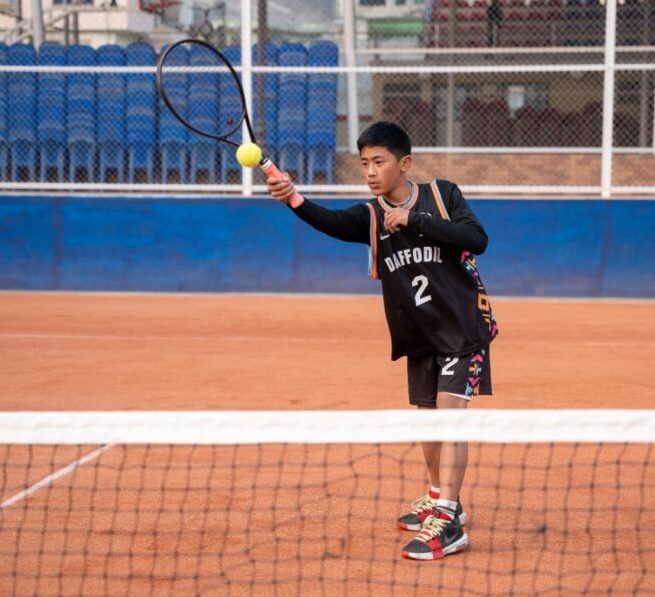
- A range of sports activities that support physical fitness and teamwork
- ISO certified academic standards
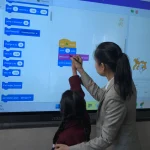
- Smart classrooms and digital learning systems that support creative learning
This combination allows students to develop academically while also building creativity, resilience, and social skills.
Conclusion
Arts and sports are not simply extracurricular activities. They are essential components of a balanced education. Together with strong academics, they help children develop creativity, discipline, confidence, and teamwork.
For parents in Kathmandu looking for a well-rounded education, schools that integrate academics with arts and sports offer an environment where children can grow intellectually, physically, and socially.