Choosing the right school for your child is one of the most important decisions parents make. A school shapes not only a child’s academic performance but also their character, confidence, and future outlook. With many schools offering different facilities and promises, parents often wonder what they should actually look for before making a decision.
Summarized below are some of the most common questions parents need to consider while searching for a school in Nepal, along with practical factors that can help guide the decision.
What curriculum and academic focus should a good school have?
The first thing parents should evaluate is the school’s academic structure. A good school provides a well-designed curriculum that helps students build strong foundations in core subjects such as mathematics, science, and languages.
However, academics should not be limited to memorization and exam preparation. Effective schools encourage critical thinking, problem solving, and curiosity. Teaching methods that combine traditional instruction with modern tools often help students understand concepts better and retain knowledge longer.
Parents should also look for schools that maintain consistent academic standards and have systems to monitor student progress.
How important are teachers and student support?
Teachers are the backbone of any school. Even the best curriculum cannot succeed without dedicated educators who understand how children learn.
Parents should consider teacher qualifications, teaching experience, and the student-teacher ratio. When classrooms are not overcrowded, teachers can give more individual attention and support to each child.
A good school also encourages communication between teachers and parents so that academic progress, learning challenges, and achievements are regularly shared.
What kind of learning environment should parents look for?
A positive learning environment helps children feel safe, confident, and motivated to participate in class activities.
Parents visiting a school should observe classroom engagement, discipline, cleanliness, and overall student behavior. A supportive school culture promotes curiosity, respect, and collaboration rather than focusing only on grades.
Schools that provide structured guidance and mentorship also help students develop confidence and social responsibility.
Why are extracurricular activities important in school?
Education should support a child’s overall development, not just academic success.
Extracurricular activities such as sports, arts, cultural programs, and clubs help students discover their interests and talents. These activities build leadership skills, teamwork, creativity, and discipline.
A school that encourages both academics and extracurricular participation helps students grow into confident individuals who can succeed in different areas of life.
What facilities and technology should a modern school provide?
Learning today is supported by a variety of tools and resources. Schools that invest in modern facilities often create more engaging and effective learning environments.
Parents should check for resources such as well-equipped classrooms, libraries, science labs, safe play areas, and digital learning tools. Technology, when used properly, can enhance classroom learning and make complex concepts easier to understand.
Smart learning environments and digital classroom systems also allow teachers to present lessons in interactive and practical ways.
Should parents consider safety and location?
Yes. Safety and accessibility are important practical considerations.
A school that is reasonably accessible from home reduces travel fatigue for children. Parents should also review safety procedures, campus supervision, and transportation arrangements if the school provides them.
A well-managed school will have clear policies for student safety, discipline, and emergency preparedness.
How do parents know if a school supports holistic development?
The best schools aim to develop not only academically strong students but also responsible and confident individuals.
Holistic development means balancing academic learning with extracurricular opportunities, leadership programs, and character building. Schools that emphasize discipline, respect, teamwork, and creativity help students develop into well-rounded individuals who can contribute positively to society.
Why Daffodil School is a Strong Choice for Your Child
When evaluating schools, parents often look for institutions that combine academic excellence with modern learning methods and strong values.
Daffodil School stands out as an ISO-certified institution committed to maintaining high educational standards. The school integrates smart learning systems and digital e-hall infrastructure, allowing students to learn through interactive and technology-supported classrooms.
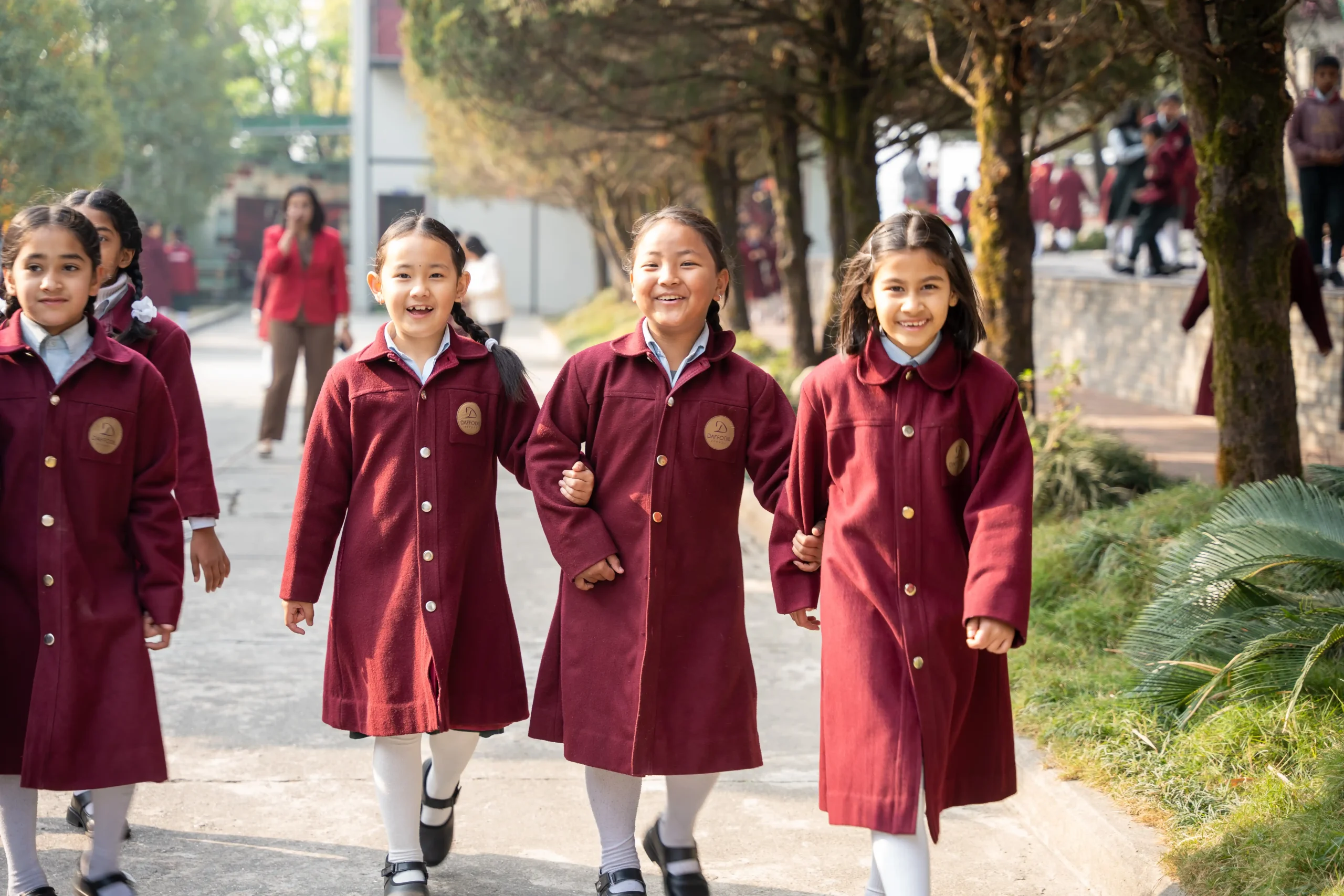
At the same time, Daffodil School maintains a strong focus on academic performance while actively encouraging extracurricular activities (ECAs) such as sports, cultural programs, and creative pursuits. This balanced approach helps students develop confidence, leadership, and practical life skills.
The goal is not only to produce well-educated students but to nurture well-rounded citizens who can contribute positively to the country and society.
Enroll Your Child at Daffodil School
If you are searching for a school that combines strong academics, modern learning technology, and holistic student development, Daffodil School offers an environment designed to help children grow, learn, and succeed.
Admissions are now open.
Give your child the opportunity to study in a supportive and future-focused learning environment.
Contact Daffodil School today to learn more about the admission process and secure a place for your child in the upcoming academic session.