The global job market is rapidly evolving. Artificial intelligence, machine learning, automation, and big data are upending traditional career paths, including roles in medicine, engineering, research, and entrepreneurship. Today, schools are expected to do more than deliver academic content, they must equip students with skills to thrive in this transforming environment.
Parents in Kathmandu must carefully evaluate schools that combine modern teaching methods, technology integration, and holistic development to prepare children for future careers.
The Changing Job Landscape
Emerging technologies are redefining the skills needed for the jobs of tomorrow:
- Medicine: AI-assisted diagnostics, telemedicine, and data-driven patient care require analytical and digital skills.
- Engineering: Automation, robotics, and IoT are changing traditional engineering roles.
- Research and Innovation: Scientific inquiry increasingly depends on computational modeling, AI, and interdisciplinary collaboration.
- Entrepreneurship: Rapid technology adoption and global connectivity demand creativity, problem-solving, and adaptability.
Schools that embrace modern teaching methods help students develop competencies to succeed in these dynamic fields.
Modern Teaching Methods in Schools
Modern teaching approaches focus on active learning, technology integration, and practical application. Key methods include:
- Project-Based Learning (PBL): Real-world projects enhance problem-solving, creativity, and analytical skills.
- Inquiry-Based Learning: Encourages questioning, research, and application of knowledge for deeper understanding.
- Collaborative Learning: Group work fosters teamwork, communication, and leadership abilities.
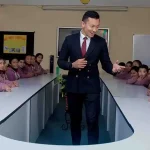
- Technology-Enhanced Learning: Smart classrooms, digital e-halls, and AI-assisted platforms make learning interactive and personalized.
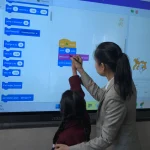
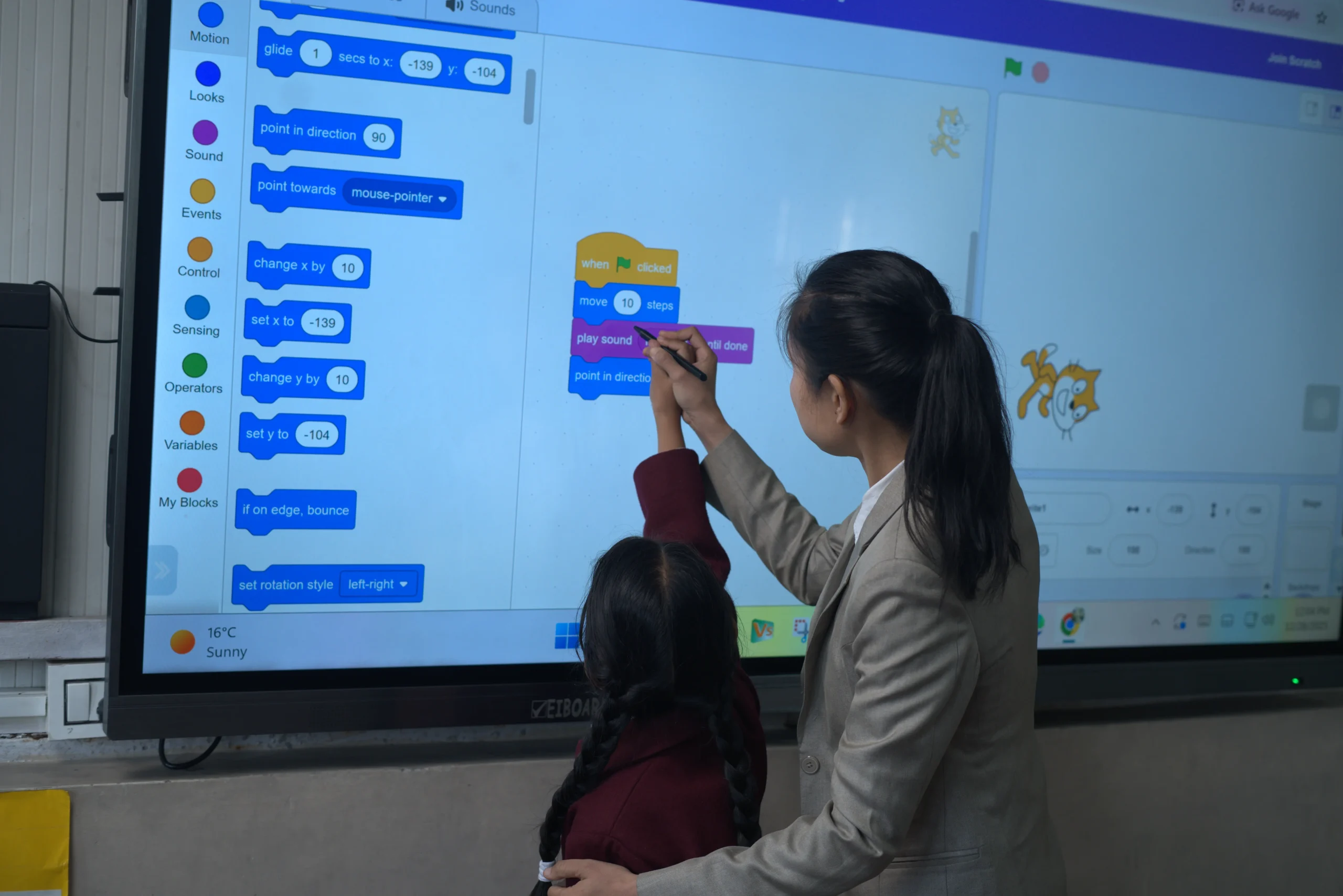
- STEM and Coding Programs: Robotics, coding, and data analysis projects prepare students for technology-driven careers.
These approaches ensure students develop critical thinking, digital literacy, and adaptability, all essential for careers in medicine, engineering, research, and entrepreneurship.
How Modern Teaching Prepares Students for Careers
Modern methods equip students with the skills needed to navigate an upending job market:
- Digital Literacy and Technological Competence
Students learn to navigate digital tools, analyze data, and understand AI, preparing them for technology-driven roles in engineering, medicine, and research. - Critical Thinking and Problem Solving
Exposure to projects and inquiry-based learning cultivates reasoning, decision-making, and innovation. - Creativity and Innovation
Arts, coding, and STEM projects foster original thinking applicable across entrepreneurship, research, and technology sectors. - Collaboration and Leadership
Group work, student-led initiatives, and clubs develop communication, teamwork, and leadership skills. - Adaptability and Lifelong Learning
Students learn to adapt to new technologies and methods, a critical skill as careers in medicine, engineering, and business continue to evolve.
The Role of Extracurricular Activities (ECAs)
Academic knowledge alone is insufficient for future readiness. ECAs complement modern teaching methods by strengthening soft skills:
- Sports enhance teamwork, discipline, and resilience.
- Arts and cultural programs cultivate creativity and self-expression.
- Leadership and clubs teach planning, communication, and responsibility.
Research shows that students who participate in ECAs alongside structured academics demonstrate higher engagement, better problem-solving, and improved academic performance.
Why Choosing the Right School in Kathmandu Matters
Schools in Kathmandu vary in their adoption of modern teaching methods and technology. Parents should look for institutions that provide:
- Smart classrooms and digital e-halls for interactive, tech-enabled learning
- STEM, coding, and AI integration for practical skills development
- Structured ECAs to support holistic growth
- ISO-certified quality systems to ensure consistent academic standards
Selecting a school that implements these features ensures children develop future-ready competencies for emerging careers.
How Daffodil School Prepares Students for the Future
Daffodil School in Kathmandu combines ISO-certified standards, smart learning classrooms, and digital e-hall systems to prepare students for the rapidly changing job market.
Key highlights:
- Interactive Smart Classrooms: Technology-assisted instruction for personalized learning.
- STEM, Coding, and Robotics Programs: Early exposure to AI, machine learning, and computational thinking.
- Holistic ECAs: Sports, arts, debate, and leadership programs complement academics.
- ISO Certification: Structured management ensures continuous improvement and high academic standards.
By integrating modern teaching methods with holistic development, Daffodil School equips students with skills for medicine, engineering, research, entrepreneurship, and other emerging careers, ensuring they are prepared for the opportunities of tomorrow.
Daffodil School delivers a future-focused education that balances academic rigor, digital literacy, creativity, and leadership development.
Admissions are open. Parents seeking a school that prepares children for tomorrow’s careers are encouraged to contact Daffodil School today.