When choosing a school, parents often focus on academic results, facilities, extracurricular activities, and location. However, one important factor that is often overlooked is whether the school follows recognized quality management standards.
One of the strongest indicators of a well-managed and future-focused institution is ISO certification.
In this guide, we explain what ISO certification means for schools, why it matters, and how it can help you choose the right learning environment for your child in Nepal.
What Is ISO Certification?
ISO (International Organization for Standardization) is a global body that develops standards to ensure quality, safety, efficiency, and consistency across organizations.
When a school is ISO certified, it means:
- It follows structured systems and documented processes
- It undergoes regular audits by accredited bodies
- It continuously improves its academic and administrative operations
In simple terms, ISO certification ensures that a school does not rely on random practices but follows well-defined, measurable, and consistent systems.
What Does ISO Certification Mean for a School?
An ISO-certified school operates through clearly defined systems rather than informal processes.
These systems typically include:
- Academic planning and curriculum delivery
- Student performance monitoring
- Teacher training and evaluation
- Administrative and communication processes
- Safety protocols and operational management
- Feedback and continuous improvement systems
This ensures that every student receives a consistent learning experience, regardless of class or academic year.
Which ISO Standards Are Relevant to Schools?
ISO 21001: Educational Organizations Management System
This standard is specifically designed for educational institutions.
It focuses on:
- Aligning education with student needs
- Improving learning outcomes
- Ensuring inclusive and accessible education
- Enhancing student satisfaction
ISO 9001: Quality Management System
ISO 9001 specifies requirements for a quality management system that ensures organizations consistently meet stakeholder (customer) requirements and enhance satisfaction.
In schools, it supports:
- Standardized teaching and learning processes
- A systematic, process-driven approach to management
- Data-driven decision making
- Continuous monitoring and improvement of results
ISO 14001: Environmental Management System
ISO 14001 focuses on environmental responsibility and sustainable operations.
For schools, this can include:
- Environmentally responsible campus practices
- Waste management and resource efficiency
- Student awareness on sustainability
This adds an additional layer of institutional responsibility beyond academics.
Why ISO Certification Matters in Education
1. Ensures Consistent Academic Quality
ISO-certified schools define clear teaching processes and performance benchmarks, ensuring that education delivery remains consistent across all levels.
2. Builds Trust and Transparency
For parents, ISO certification provides assurance that the school follows internationally recognized standards, not just internal claims.
3. Improves School Management
From administration to communication, structured systems reduce inefficiencies and ensure smoother operations.
4. Encourages Continuous Improvement
ISO-certified schools regularly review and upgrade their systems, ensuring they adapt to:
- New teaching methods
- Technological advancements
- Changing student needs
Is ISO Certification Necessary for a School?
No, ISO certification is not mandatory.
However, it is a strong indicator of quality and accountability.
A school without ISO certification can still be good but an ISO-certified school demonstrates a systematic commitment to maintaining and improving standards.
Does ISO Certification Improve Student Learning?
ISO certification does not directly replace good teaching, but it creates an environment where quality teaching can thrive.
Students benefit from:
- Structured academic programs
- Clear learning objectives
- Consistent teaching methodologies
- Organized evaluation systems
This leads to a more stable and effective learning experience.
ISO vs Non-ISO Schools: What’s the Difference?
| Factor | ISO-Certified School | Non-ISO School |
| Academic Systems | Structured & documented | May vary |
| Quality Monitoring | Regular audits | Inconsistent |
| Process Consistency | High | Depends on management |
| Continuous Improvement | Mandatory | Optional |
| Transparency | Strong | Limited |
How to Check If a School Is ISO Certified
Before enrolling your child, you can verify ISO certification by:
- Asking the school for certification details
- Checking validity and issuing certification body
- Looking for publicly displayed certificates
- Reviewing official school website information
Why Holistic Development Still Matters
While ISO certification ensures structured quality, education should also focus on overall development.
A good school must support:
- Intellectual growth
- Social and emotional development
- Physical well-being
- Creativity and leadership skills
Extracurricular activities such as sports, arts, and cultural programs help students build:
- Confidence
- Teamwork
- Communication skills
- Discipline
A Balanced Approach to Education at Daffodil School
Daffodil Public School and Daffodil Boarding School are among the first ISO-certified English medium coeducational schools operated by a team of experienced and professionally trained educators.
The institutions hold:
- ISO 9001:2000 certification for Quality Management Systems
- ISO 14001:2004 certification for Environmental Management Systems
ISO 9001:2000 ensures that the schools follow a systematic, process-based approach to academic and administrative management, with a strong focus on:
- Meeting student and parent expectations
- Enhancing satisfaction
- Continuously improving institutional performance
ISO 14001:2004 reflects the schools’ commitment to environmental responsibility and sustainable practices, contributing to a more conscious and future-ready learning environment.
In addition, Daffodil School integrates:
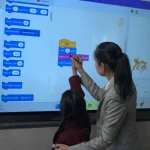
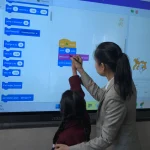
- Smart learning classrooms
- Digital e-hall systems
- Interactive teaching methodologies
Alongside academics, strong emphasis is placed on extracurricular activities including:
- Sports programs
- Creative and cultural events
- Student engagement initiatives
This balanced approach ensures students develop into academically strong, environmentally aware, and well-rounded individuals.
Looking for an ISO-Certified School in Kathmandu?
If you are searching for a school that combines:
- International quality standards
- Modern teaching methods
- Strong academic structure
- Holistic student development
Daffodil School offers a future-focused learning environment designed to support your child’s success.
Contact the school to learn more or schedule a campus visit. Admissions are open now